Everything you need to register and learn about the 2026 election, all in one place.
U.S. Senate
Click a candidate below to view their questionnaire responses.
 Question 1: Do you support current levels of U.S. military and diplomatic aid to Israel, and how would you respond to efforts to condition or reduce that aid?
Answer:
Question 2: Antisemitism has increased significantly in recent years, impacting schools, college campuses, houses of worship, workplaces, and public spaces. What role should the federal government play in combating antisemitism, and what policies or initiatives would you support to protect Jewish communities and other vulnerable populations?
Answer:
Question 3: Jewish organizations continue to invest substantial resources in security measures to protect community institutions. What steps would you take at the federal level to strengthen nonprofit security programs, improve coordination with law enforcement, and enhance the safety of faith-based communities?
Answer:
Question 1: Do you support current levels of U.S. military and diplomatic aid to Israel, and how would you respond to efforts to condition or reduce that aid?
Answer:
Question 2: Antisemitism has increased significantly in recent years, impacting schools, college campuses, houses of worship, workplaces, and public spaces. What role should the federal government play in combating antisemitism, and what policies or initiatives would you support to protect Jewish communities and other vulnerable populations?
Answer:
Question 3: Jewish organizations continue to invest substantial resources in security measures to protect community institutions. What steps would you take at the federal level to strengthen nonprofit security programs, improve coordination with law enforcement, and enhance the safety of faith-based communities?
Answer:
Question 1: Do you support current levels of U.S. military and diplomatic aid to Israel, and how would you respond to efforts to condition or reduce that aid?
Answer:
Question 2: Antisemitism has increased significantly in recent years, impacting schools, college campuses, houses of worship, workplaces, and public spaces. What role should the federal government play in combating antisemitism, and what policies or initiatives would you support to protect Jewish communities and other vulnerable populations?
Answer:
Question 3: Jewish organizations continue to invest substantial resources in security measures to protect community institutions. What steps would you take at the federal level to strengthen nonprofit security programs, improve coordination with law enforcement, and enhance the safety of faith-based communities?
Answer:
Question 1: Do you support current levels of U.S. military and diplomatic aid to Israel, and how would you respond to efforts to condition or reduce that aid?
Answer:
Question 2: Antisemitism has increased significantly in recent years, impacting schools, college campuses, houses of worship, workplaces, and public spaces. What role should the federal government play in combating antisemitism, and what policies or initiatives would you support to protect Jewish communities and other vulnerable populations?
Answer:
Question 3: Jewish organizations continue to invest substantial resources in security measures to protect community institutions. What steps would you take at the federal level to strengthen nonprofit security programs, improve coordination with law enforcement, and enhance the safety of faith-based communities?
Answer:
Question 1: Do you support current levels of U.S. military and diplomatic aid to Israel, and how would you respond to efforts to condition or reduce that aid?
Answer:
Question 2: Antisemitism has increased significantly in recent years, impacting schools, college campuses, houses of worship, workplaces, and public spaces. What role should the federal government play in combating antisemitism, and what policies or initiatives would you support to protect Jewish communities and other vulnerable populations?
Answer:
Question 3: Jewish organizations continue to invest substantial resources in security measures to protect community institutions. What steps would you take at the federal level to strengthen nonprofit security programs, improve coordination with law enforcement, and enhance the safety of faith-based communities?
Answer:
Question 1: Do you support current levels of U.S. military and diplomatic aid to Israel, and how would you respond to efforts to condition or reduce that aid?
Answer:
Question 2: Antisemitism has increased significantly in recent years, impacting schools, college campuses, houses of worship, workplaces, and public spaces. What role should the federal government play in combating antisemitism, and what policies or initiatives would you support to protect Jewish communities and other vulnerable populations?
Answer:
Question 3: Jewish organizations continue to invest substantial resources in security measures to protect community institutions. What steps would you take at the federal level to strengthen nonprofit security programs, improve coordination with law enforcement, and enhance the safety of faith-based communities?
Answer:
*Neil Gillespie (NPA) is not on the primary ballot
U.S. House District 23
Click a candidate below to view their questionnaire responses.
Question 1: Do you support current levels of U.S. military and diplomatic aid to Israel, and how would you respond to efforts to condition or reduce that aid?
Answer:
Question 2: Antisemitism has increased significantly in recent years, impacting schools, college campuses, houses of worship, workplaces, and public spaces. What role should the federal government play in combating antisemitism, and what policies or initiatives would you support to protect Jewish communities?
Answer:
Question 3: Jewish organizations continue to invest substantial resources in security measures to protect community institutions. What steps would you take at the federal level to strengthen nonprofit security programs, improve coordination with law enforcement, and enhance the safety of faith-based communities?
Answer:
Question 1: Do you support current levels of U.S. military and diplomatic aid to Israel, and how would you respond to efforts to condition or reduce that aid?
Answer: I support United States aid to Israel because Israel is an important ally to us, and Israel has the right to defend itself.
I would oppose any efforts to restrict or cut that aid, while still making sure taxpayer dollars are used responsibly.
Question 2: Antisemitism has increased significantly in recent years, impacting schools, college campuses, houses of worship, workplaces, and public spaces. What role should the federal government play in combating antisemitism, and what policies or initiatives would you support to protect Jewish communities?
Answer: Our federal government has the responsibility to protect Jewish Americans from threats, violence, and discrimination.
Question 3: Jewish organizations continue to invest substantial resources in security measures to protect community institutions. What steps would you take at the federal level to strengthen nonprofit security programs, improve coordination with law enforcement, and enhance the safety of faith-based communities?
Answer: I support our President’s efforts to hold institutions accountable.
I support enforcing the law to prosecute criminal behavior and protect synagogues and Jewish communities.
We have to respect the First Amendment, but freedom of speech does not excuse violence, vandalism, threats, or discrimination.
Antisemitism is not a partisan issue, and this means that protecting the rights of Jewish Americans is a basic responsibility of the federal government.
Question 1: Do you support current levels of U.S. military and diplomatic aid to Israel, and how would you respond to efforts to condition or reduce that aid?
Answer:
Question 2: Antisemitism has increased significantly in recent years, impacting schools, college campuses, houses of worship, workplaces, and public spaces. What role should the federal government play in combating antisemitism, and what policies or initiatives would you support to protect Jewish communities?
Answer:
Question 3: Jewish organizations continue to invest substantial resources in security measures to protect community institutions. What steps would you take at the federal level to strengthen nonprofit security programs, improve coordination with law enforcement, and enhance the safety of faith-based communities?
Answer:
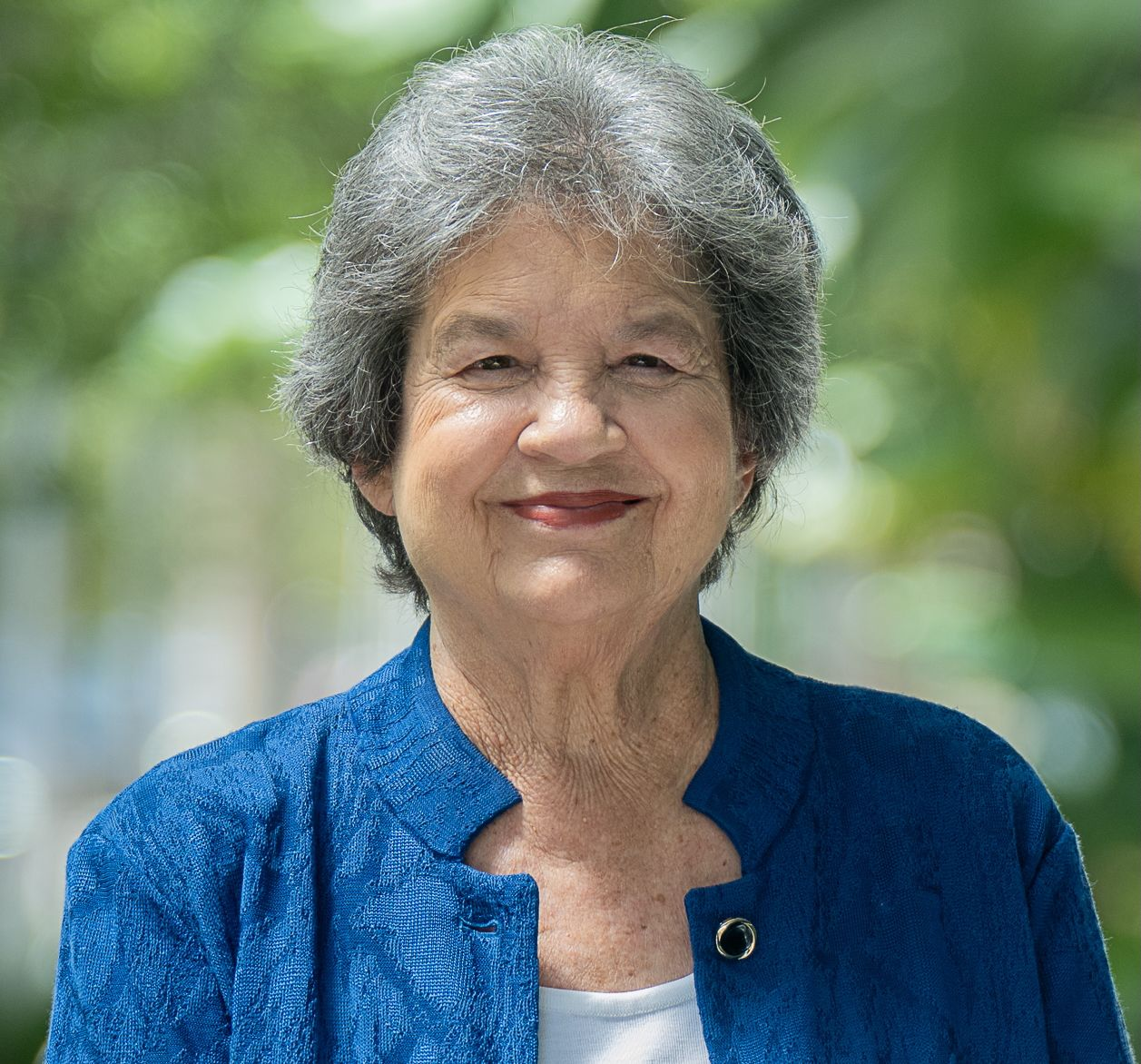 Question 1: Do you support current levels of U.S. military and diplomatic aid to Israel, and how would you respond to efforts to condition or reduce that aid?
Answer: Israel is an important democratic ally of the United States in one of the world’s most dangerous regions. I have consistently supported Israel’s security, including the Memorandum of Understanding negotiated under President Obama. U.S. security assistance is already governed by American law, including the Arms Export Control Act and the Leahy Laws. As we look beyond the current Memorandum of Understanding, future funding should be based on the security needs of the United States, Israel, and the broader region. I also support humanitarian assistance for civilians in Gaza, provided it is protected from diversion by Hamas, and with development assistance when conditions allow. One of our goals should be a future in which Israelis and Palestinians can live side by side in peace, security, prosperity, freedom, and dignity.
Question 2: Antisemitism has increased significantly in recent years, impacting schools, college campuses, houses of worship, workplaces, and public spaces. What role should the federal government play in combating antisemitism, and what policies or initiatives would you support to protect Jewish communities?
Answer: No one should be targeted because of their faith or ethnicity, and every person deserves to worship, learn, work, and live free from hatred and violence. Meeting that responsibility requires Congress to provide the resources, enact the laws, and exercise the bipartisan oversight needed to prevent antisemitism, protect Jewish communities, and vigorously enforce our nation’s civil rights laws. There is no single solution, but Congress must pursue a comprehensive strategy that includes: increasing funding for the Nonprofit Security Grant Program to better protect synagogues, schools, and community centers; strengthening enforcement of federal civil rights laws that protect students from discrimination based on shared ancestry, ethnicity, or national origin, including antisemitic discrimination; fully funding the State Department’s Office of the Special Envoy to Monitor and Combat Antisemitism, and the Special Envoy for Holocaust Issues; supporting with funding the United States Holocaust Memorial Museum and Holocaust education; advancing bipartisan legislation, including the Protecting Students on Campus Act and the Antisemitism Awareness Act; supporting the work of the bipartisan Task Force for Combating Antisemitism; and using the voices of members of Congress to speak clearly and consistently against antisemitism and all forms of hate. These are examples, not an exhaustive list, of the actions Congress should continue to pursue to protect Jewish communities and uphold America’s commitment to religious freedom, civil rights, and equal justice.
Question 3: Jewish organizations continue to invest substantial resources in security measures to protect community institutions. What steps would you take at the federal level to strengthen nonprofit security programs, improve coordination with law enforcement, and enhance the safety of faith-based communities?
Answer: Protecting houses of worship and faith-based institutions from hate crimes and violence should be a core public safety responsibility. Congress should significantly boost funding for the Nonprofit Security Grant Program to address demand for security improvements while streamlining the application process to reduce administrative delays. Coordination among the Department of Justice, the Department of Homeland Security, and state and local law enforcement can also support intelligence sharing, threat assessments, training, and response planning for threats against religious institutions. Legislative proposals such as the Jewish American Security Act would expand support for nonprofit security grants and strengthen partnerships among federal, state, and local law enforcement. These measures are not all inclusive.
Question 1: Do you support current levels of U.S. military and diplomatic aid to Israel, and how would you respond to efforts to condition or reduce that aid?
Answer:
Question 2: Antisemitism has increased significantly in recent years, impacting schools, college campuses, houses of worship, workplaces, and public spaces. What role should the federal government play in combating antisemitism, and what policies or initiatives would you support to protect Jewish communities?
Answer:
Question 3: Jewish organizations continue to invest substantial resources in security measures to protect community institutions. What steps would you take at the federal level to strengthen nonprofit security programs, improve coordination with law enforcement, and enhance the safety of faith-based communities?
Answer:
U.S. House District 25
Click a candidate below to view their questionnaire responses.
Question 1: Do you support current levels of U.S. military and diplomatic aid to Israel, and how would you respond to efforts to condition or reduce that aid?
Answer:
Question 2: Antisemitism has increased significantly in recent years, impacting schools, college campuses, houses of worship, workplaces, and public spaces. What role should the federal government play in combating antisemitism, and what policies or initiatives would you support to protect Jewish communities?
Answer:
Question 3: Jewish organizations continue to invest substantial resources in security measures to protect community institutions. What steps would you take at the federal level to strengthen nonprofit security programs, improve coordination with law enforcement, and enhance the safety of faith-based communities?
Answer:
Question 1: Do you support current levels of U.S. military and diplomatic aid to Israel, and how would you respond to efforts to condition or reduce that aid?
Answer:
Question 2: Antisemitism has increased significantly in recent years, impacting schools, college campuses, houses of worship, workplaces, and public spaces. What role should the federal government play in combating antisemitism, and what policies or initiatives would you support to protect Jewish communities?
Answer:
Question 3: Jewish organizations continue to invest substantial resources in security measures to protect community institutions. What steps would you take at the federal level to strengthen nonprofit security programs, improve coordination with law enforcement, and enhance the safety of faith-based communities?
Answer:
Question 1: Do you support current levels of U.S. military and diplomatic aid to Israel, and how would you respond to efforts to condition or reduce that aid?
Answer: I strongly support maintaining – and, when necessary, strengthening – U.S. military and diplomatic assistance to Israel. I oppose efforts to condition or reduce that aid.
Unlike most candidates, my position is informed by more than two decades of direct involvement in the Middle East.
For over twenty years, I have worked alongside Iran’s democratic opposition against the Islamic Republic. Seventeen years ago, I co-founded an international movement with His Majesty Reza Pahlavi to support a free and democratic Iran. I was instrumental in bringing into communication the Israeli government and the Iranian opposition, and following the October 7 terrorist attacks, I remained actively engaged in regional developments, including significant involvement in matters related to the Twelve-Day War.
My support for Israel is rooted in America’s national security interests. Israel is our closest democratic ally in the Middle East and serves as America’s most capable strategic partner in a region dominated by terrorism and hostile regimes. Israeli intelligence, military innovation, missile defense, cybersecurity, and counterterrorism capabilities save American lives, strengthen our own national security, and reduce the likelihood that U.S. forces will have to fight future wars in the region.
Conditioning or reducing aid would send exactly the wrong message to Iran, Hamas, Hezbollah, and other terrorist organizations. It would weaken deterrence, embolden our adversaries, and undermine the credibility of the United States with allies around the world.
Aid to Israel is not foreign charity – it is a strategic investment in America’s national security. Peace is achieved through strength, and a strong U.S.-Israel alliance makes both nations safer. In Congress, I will always stand with Israel because supporting Israel is not only the right thing to do – it is in America’s vital national interest.
Question 2: Antisemitism has increased significantly in recent years, impacting schools, college campuses, houses of worship, workplaces, and public spaces. What role should the federal government play in combating antisemitism, and what policies or initiatives would you support to protect Jewish communities?
Answer: Antisemitism is not an abstract issue to me – it shaped the course of my life.
Just before my freshman year’s second semester at the University of Maryland, I returned to my dorm room to find that my roommate had greeted me with a swastika. I refused to let that act of hatred define me. Instead, I fought back.
I got my roommate expelled, became a leader in the Jewish Student Union, worked for the United Jewish Appeal, chaired Israel Independence Day on campus, joined a Jewish fraternity, and helped lead a busload of 40 Jewish students to protest the “Zionism Equals Racism” campaign outside the United Nations. That experience launched what has become over three decades of combating antisemitism, extremism, and terrorism.
The federal government has a responsibility to protect the civil rights and physical safety of Jewish Americans. I support vigorous enforcement of Title VI protections so that universities receiving federal funding cannot tolerate discrimination, harassment, intimidation, or violence against Jewish students. Schools that fail to protect their students should face real consequences.
I also support expanding the Nonprofit Security Grant Program to provide greater protection for synagogues, Jewish schools, and community centers. Federal law enforcement must aggressively investigate and prosecute antisemitic hate crimes, disrupt extremist networks, and expose foreign funding that promotes antisemitism or supports terrorist organizations.
We must defend both public safety and the First Amendment. Peaceful expression is protected, but threats, violence, vandalism, material support for terrorism, and conduct that intimidates or targets Jewish Americans must be prosecuted to the fullest extent of the law. We should also recognize and confront rhetoric that glorifies or encourages terrorism and violence against Jews. Chanting “Intifada Intifada” or “From the River to the Sea” should never be considered free speech. They are calls to violence, and should be prosecuted as such.
Finally, education is essential. I support expanding Holocaust education and ensuring that students understand both the history of antisemitism and its modern manifestations. The reason I am able to answer this questionnaire is, in part, because America opened its doors to my great-grandparents as they fled Nazi persecution in Europe. Now more than ever, Americans need to be educated about antisemitism and what real genocide is, not just some term that people throw around because of their politics.
I know firsthand what antisemitism looks like. That experience changed my life, and it is why I have dedicated my career to protecting Americans from hatred, extremism, and terrorism. In Congress, I will continue that fight with the urgency it deserves.
Question 3: Jewish organizations continue to invest substantial resources in security measures to protect community institutions. What steps would you take at the federal level to strengthen nonprofit security programs, improve coordination with law enforcement, and enhance the safety of faith-based communities?
Answer: For nearly three decades, I have worked in national security and counterterrorism. I have helped expose and shut down terrorist charities, assisted in efforts that led to the imprisonment of terror-related individuals, and worked alongside law enforcement and government officials to identify extremist networks. Most recently, I led the successful effort to prevent a pro-Hamas conference from taking place in Coral Springs. My experience has taught me that protecting faith-based communities requires prevention, intelligence, and decisive action – not simply responding after an attack has occurred.
I strongly support expanding and streamlining the Nonprofit Security Grant Program so synagogues, Jewish schools, churches, and other faith-based institutions have the resources to strengthen physical security, improve emergency preparedness, and train their personnel. Organizations facing credible threats should have access to funding without unnecessary bureaucratic delays.
At the federal level, we must also improve intelligence sharing and coordination among federal, state, and local law enforcement while ensuring timely communication with communities at risk. Congress should strengthen efforts to identify, investigate, and dismantle organizations that finance, facilitate, or provide material support to terrorist groups, and aggressively prosecute those responsible.
I also support expanding partnerships between federal agencies and organizations such as the Secure Community Network to ensure timely threat information reaches local Jewish institutions.
The best security strategy is one that stops attacks before they happen. That requires experienced leadership, strong partnerships between government and local communities, and an unwavering commitment to confronting terrorism and violent extremism wherever they arise. That is the perspective and experience I will bring to Congress.
Question 1: Do you support current levels of U.S. military and diplomatic aid to Israel, and how would you respond to efforts to condition or reduce that aid?
Answer: I support current levels of US military and diplomatic assistance to Israel as one of our best allies in the world. I oppose efforts to reduce or condition that aid as a means of coercing the Israeli government to weaken its security.
Question 2: Antisemitism has increased significantly in recent years, impacting schools, college campuses, houses of worship, workplaces, and public spaces. What role should the federal government play in combating antisemitism, and what policies or initiatives would you support to protect Jewish communities?
Answer: The federal government has a role to protect our Jewish communities from anti-semitism and I do support grants for Jewish schools and non-profit programs providing social services to help them harden their security against terrorist threats. I also support holding academic and other institutions which receive federal funding accountable for protecting Jewish students and employees from harm motivated by anti-semitism.
Question 3: Jewish organizations continue to invest substantial resources in security measures to protect community institutions. What steps would you take at the federal level to strengthen nonprofit security programs, improve coordination with law enforcement, and enhance the safety of faith-based communities?
Answer: I support grants for Jewish schools and non-profit programs providing social services to help them harden their security against terrorist threats and to better equip them to coordinate and receive help from local law enforcement.
Question 1: Do you support current levels of U.S. military and diplomatic aid to Israel, and how would you respond to efforts to condition or reduce that aid?
Answer:
Question 2: Antisemitism has increased significantly in recent years, impacting schools, college campuses, houses of worship, workplaces, and public spaces. What role should the federal government play in combating antisemitism, and what policies or initiatives would you support to protect Jewish communities?
Answer:
Question 3: Jewish organizations continue to invest substantial resources in security measures to protect community institutions. What steps would you take at the federal level to strengthen nonprofit security programs, improve coordination with law enforcement, and enhance the safety of faith-based communities?
Answer:
Question 1: Do you support current levels of U.S. military and diplomatic aid to Israel, and how would you respond to efforts to condition or reduce that aid?
Answer: Yes. I support the full funding commitment in the 2016 Memorandum of Understanding, including funding for Iron Dome, David’s Sling, and cooperative missile defense programs, and I have voted that way consistently.
I oppose efforts to condition or reduce that aid, and I have said so publicly when the pressure to do otherwise came from inside my own party. Israel is a democratic ally in the most dangerous neighborhood on earth, facing Hamas, Hezbollah, the Houthis, and an Iranian regime that funds all three while pursuing nuclear capability. Security assistance is not a favor. It is a strategic investment that keeps American forces out of a wider war and keeps missile defense systems that have saved thousands of civilian lives, Israeli and otherwise, operational.
Conditioning aid also does not work on its own terms. It does not produce better outcomes for Palestinians. It signals to adversaries that American commitments have an expiration date, and it invites exactly the pressure campaign that groups seeking Israel’s isolation are trying to build. I have opposed BDS since my first term in the Florida Legislature, and I apply the same standard to conditioning proposals dressed up in different language.
I will keep making that case on the Foreign Affairs Committee, including to colleagues who are misinformed rather than hostile. Much of this work is persuasion inside the building, and I do it.
Question 2: Antisemitism has increased significantly in recent years, impacting schools, college campuses, houses of worship, workplaces, and public spaces. What role should the federal government play in combating antisemitism, and what policies or initiatives would you support to protect Jewish communities?
Answer: This is personal for me. I am the grandson of Holocaust survivors, and I represent one of the largest Jewish communities of any district in the country. When a man in my district plotted to kill me, authorities stopped it in time and found an antisemitic manifesto in the man’s possession. Not everyone’s story ends that way, and that is why I treat this as a security problem to be solved rather than a subject for statements.
In June I helped lead the introduction of the bipartisan Jewish American Security Act, sponsored by 30 members from both parties. It requires enhanced Title VI compliance on college campuses and creates dedicated antisemitism coordinators to handle discrimination complaints, expands and reforms the Nonprofit Security Grant Program at $1 billion annually, creates new grants for local law enforcement protecting houses of worship, and improves federal tracking of antisemitic incidents and transparency around antisemitic content on large online platforms. Passing it is my priority in this area.
I also co-led the bipartisan Antisemitism Awareness Act, which passed the House, to protect Jewish students on campus from harassment and discrimination. This record did not start in Congress. As a State Representative I sponsored and passed Florida’s anti-BDS law, only the second of its kind in the nation.
I have called out antisemitism on the right and on the left, including inside my own party. Everyone needs to do their part to stop the rising tide of antisemitism, no matter where it’s coming from.
Question 3: Jewish organizations continue to invest substantial resources in security measures to protect community institutions. What steps would you take at the federal level to strengthen nonprofit security programs, improve coordination with law enforcement, and enhance the safety of faith-based communities?
Answer: As Florida’s Director of Emergency Management I oversaw security grant requests from houses of worship across the state, and the same thing happened every funding cycle: there was never enough funding to cover every institution that applied and could document a real threat. In Congress I have helped secure federal Nonprofit Security Grants for synagogues, JCCs, and Jewish day schools across our district.
The Jewish American Security Act, which I helped lead, brings reforms and more funding to these essential programs. Today the application favors institutions with professional grant writers. A large federation can navigate it. A small congregation with a part-time administrator often cannot, and those are frequently the softest targets. I want real technical assistance so applying does not require hiring a consultant, and faster reimbursement, because asking a congregation to front six figures and wait is not realistic.
The bill also creates new grant opportunities specifically for local law enforcement protecting houses of worship. Threat information has to reach the people who can act on it, and local police should be training with congregation security teams before an incident, not meeting them during one.
 Question 1: Do you support current levels of U.S. military and diplomatic aid to Israel, and how would you respond to efforts to condition or reduce that aid?
Answer: I fully support maintaining and accelerating U.S. military and diplomatic aid to Israel. The 10-year Memorandum of Understanding (MOU) that guarantees $3.8 billion annually is a critical investment in America’s own national security and strategic interests in the Middle East. As a proud Jewish Zionist endorsed by Amb. David Friedman, President Trump’s Ambassador to Israel, I believe we must lead from the front to defend this vital alliance. Any effort to condition, reduce, or delay this aid is a dangerous appeasement of the radical left and a direct threat to Israel’s survival. When Israel’s security is on the line, our community needs a representative who will not bend to the political winds of their party. In Congress, my response to the anti-Israel wing of the Democratic Party will be uncompromising. I will fight to: Fund the MOU Without Conditions: I will aggressively oppose any legislative attempts to impose political benchmarks, delays, or restrictions on Foreign Military Financing to Israel. Accelerate Critical Munitions: I will push to bypass bureaucratic red tape and expedite the delivery of precision-guided munitions and vital resupplies for joint defense architectures like the Iron Dome, David’s Sling, and the Arrow programs. Reject Diplomatic Appeasement: On the global stage, I will oppose any U.S. diplomatic efforts at the United Nations or the ICC that seek to delegitimize Israel’s right to self-defense, and I will fiercely oppose any weakened nuclear deals or sanctions relief for the Iranian regime. Our community deserves a fierce advocate who will ruthlessly call out the antisemites hiding within the halls of Congress and ensure our ally Israel has the military capability to withstand attacks from our common enemies.
Question 2: Antisemitism has increased significantly in recent years, impacting schools, college campuses, houses of worship, workplaces, and public spaces. What role should the federal government play in combating antisemitism, and what policies or initiatives would you support to protect Jewish communities?
Answer: The rise of antisemitism is a national crisis requiring a zero-tolerance federal response. As Mayor of Boca Raton, I made our city a premier destination to raise a Jewish family by prioritizing safety and leading the city to adopt the IHRA definition of antisemitism. In Congress, I will work to protect Jewish communities nationwide: 1. Nonprofit Security Grant Program (NSGP): The federal government must guarantee the safety of Jewish institutions. I will fight to dramatically expand the NSGP. We should ensure that synagogues, day schools, JCCs, and Federation campuses never have to choose between funding community programs and paying for security. 2. Title VI Enforcement: The federal government has the authority to protect Jewish students through Title VI of the Civil Rights Act. Through my work at the America First Policy Institute (AFPI), I have been working to hold universities accountable. In Congress, I will fight to strip federal funding from any university that tolerates the harassment of Jewish students. I propose a bill to stop federal taxpayer dollars from any university that accepts money from foreign governments. We should not fund institutions that tolerate antisemitism, hate, or interests adverse to our shared American values. 3.Adoption of the IHRA Definition: The federal government must adopt the IHRA working definition of antisemitism across all agencies to guide civil rights enforcement, just as I successfully led the Boca Raton City Council to do so locally. Through my work on the U.S. Advisory Board of the Combat Antisemitism Movement (CAM), I understand how hatred spreads rapidly in public spaces and online. FL-25 deserves an unapologetic Jewish Zionist who will utilize every tool of the federal government to crush antisemitism and protect our families. With the alarming rise in opposition to Israel in today’s far-left Democrat party, voters now have a choice of someone whose views will not be undermined or silenced by his own caucus.
Question 3: Jewish organizations continue to invest substantial resources in security measures to protect community institutions. What steps would you take at the federal level to strengthen nonprofit security programs, improve coordination with law enforcement, and enhance the safety of faith-based communities?
Answer: The safety of our faith-based communities is non-negotiable. As the threat of antisemitic and extremist violence escalates, the federal government must dramatically increase its support for the institutions on the front lines. Having led our city’s efforts as Mayor of Boca Raton, I know that robust, proactive defense requires reliable federal funding and seamless coordination with local law enforcement. In Congress, I will: Dramatically Expand the NSGP: The Nonprofit Security Grant Program (NSGP) is the most critical federal lifeline for safeguarding our institutions. While recent funding cycles provided $300 million for FY 2026, the demand far outpaces the supply. I will lead the fight to significantly expand the NSGP, ensuring that our synagogues, day schools, and community centers can fund essential facility hardening, cybersecurity, access control systems, and contracted security personnel. No Jewish institution should be left vulnerable because federal funds ran out. Streamline Access and Cut Red Tape: Too many organizations struggle to navigate the complex FEMA application process and State Administrative Agency (SAA) requirements. I will work to simplify the application and risk assessment processes so that smaller synagogues and day schools have access to these critical funds without drowning in bureaucratic red tape. Enhance Threat Intelligence Sharing: Physical barriers are only half the equation; we need proactive intelligence. I will push the Department of Homeland Security (DHS) and the FBI to improve real-time threat intelligence sharing directly with faith-based organizations and local law enforcement. Through enhanced coordination with the DHS Center for Faith-Based and Neighborhood Partnerships, we must ensure community leaders receive actionable assessments to preempt threats before they materialize. We must guarantee that every Jewish family can worship, learn, and gather in absolute safety, free from fear or intimidation.
*Michaelangelo Hamilton (WRI) is not on the primary ballot
*Peter Jassenof (LPF) is not on the primary ballot
Attorney General – No candidates on the primary ballot
*Jose Javier Rodriguez (Dem) is not on the primary ballot
*James Uthmeier (Rep) is not on the primary ballot
Chief Financial Officer
Click a candidate below to view their questionnaire responses.
Question:
The Florida Chief Financial Officer plays an important role in overseeing the state’s investment portfolio, which includes investments in Israel Bonds. What factors would guide your decisions regarding Florida’s continued investment in Israel Bonds, and do you support maintaining or increasing these investments?
Answer:
Question:
The Florida Chief Financial Officer plays an important role in overseeing the state’s investment portfolio, which includes investments in Israel Bonds. What factors would guide your decisions regarding Florida’s continued investment in Israel Bonds, and do you support maintaining or increasing these investments?
Answer:
Question:
The Florida Chief Financial Officer plays an important role in overseeing the state’s investment portfolio, which includes investments in Israel Bonds. What factors would guide your decisions regarding Florida’s continued investment in Israel Bonds, and do you support maintaining or increasing these investments?
Answer:
Question:
The Florida Chief Financial Officer plays an important role in overseeing the state’s investment portfolio, which includes investments in Israel Bonds. What factors would guide your decisions regarding Florida’s continued investment in Israel Bonds, and do you support maintaining or increasing these investments?
Answer:
Commissioner of Agriculture
Click a candidate below to view their questionnaire responses.
Question 1:
Florida and Israel have developed important partnerships in agriculture technology, and water, citrus, and environmental innovation. How would you work to strengthen those relationships and encourage continued collaboration between Florida and Israel?
Answer:
Question 2: The Florida Department of Agriculture and Consumer Services plays an important role in supporting nutrition programs and expanding access to healthy food. How would you collaborate with other state agencies and community organizations to reduce food insecurity among vulnerable seniors, including Holocaust survivors?
Answer:
Question 1:
Florida and Israel have developed important partnerships in agriculture technology, and water, citrus, and environmental innovation. How would you work to strengthen those relationships and encourage continued collaboration between Florida and Israel?
Answer:
Question 2: The Florida Department of Agriculture and Consumer Services plays an important role in supporting nutrition programs and expanding access to healthy food. How would you collaborate with other state agencies and community organizations to reduce food insecurity among vulnerable seniors, including Holocaust survivors?
Answer:
Question 1:
Florida and Israel have developed important partnerships in agriculture technology, and water, citrus, and environmental innovation. How would you work to strengthen those relationships and encourage continued collaboration between Florida and Israel?
Answer:
Question 2: The Florida Department of Agriculture and Consumer Services plays an important role in supporting nutrition programs and expanding access to healthy food. How would you collaborate with other state agencies and community organizations to reduce food insecurity among vulnerable seniors, including Holocaust survivors?
Answer:
Question 1:
Florida and Israel have developed important partnerships in agriculture technology, and water, citrus, and environmental innovation. How would you work to strengthen those relationships and encourage continued collaboration between Florida and Israel?
Answer:
Question 2: The Florida Department of Agriculture and Consumer Services plays an important role in supporting nutrition programs and expanding access to healthy food. How would you collaborate with other state agencies and community organizations to reduce food insecurity among vulnerable seniors, including Holocaust survivors?
Answer:
*Kyle “KC” Gibson (WRI) is not on the primary ballot
State Senate District 26 (No Primary)
State Senate District 30
Click a candidate below to view their questionnaire responses.
Question 1:
Florida has enacted several laws addressing antisemitism, but Jewish Floridians continue to report incidents in schools, colleges, workplaces, and public spaces. What additional actions, if any, should the Florida Legislature take to combat antisemitism?
Answer:
Question 2: Florida has long maintained strong economic, educational, and cultural partnerships with Israel. Do you support continuing this partnership, and do you see any opportunities to further strengthen Florida’s relationship with Israel?
Answer:
Question 3: Jewish institutions continue to invest substantial resources to protect themselves. What role should the Legislature play in ensuring these organizations have the resources they need to keep their communities safe?
Answer:
Question 1:
Florida has enacted several laws addressing antisemitism, but Jewish Floridians continue to report incidents in schools, colleges, workplaces, and public spaces. What additional actions, if any, should the Florida Legislature take to combat antisemitism?
Answer:
Question 2: Florida has long maintained strong economic, educational, and cultural partnerships with Israel. Do you support continuing this partnership, and do you see any opportunities to further strengthen Florida’s relationship with Israel?
Answer:
Question 3: Jewish institutions continue to invest substantial resources to protect themselves. What role should the Legislature play in ensuring these organizations have the resources they need to keep their communities safe?
Answer:
*Lauren Book (Dem.) is not on the primary ballot
State House District 90 (No Primary)
State House District 91 (No Primary)
State House District 92
Click a candidate below to view their questionnaire responses.
Question 1:
Florida has enacted several laws addressing antisemitism, but Jewish Floridians continue to report incidents in schools, colleges, workplaces, and public spaces. What additional actions, if any, should the Florida Legislature take to combat antisemitism?
Answer:
Question 2: Florida has long maintained strong economic, educational, and cultural partnerships with Israel. Do you support continuing this partnership, and do you see any opportunities to further strengthen Florida’s relationship with Israel?
Answer:
Question 3: Jewish institutions continue to invest substantial resources to protect themselves. What role should the Legislature play in ensuring these organizations have the resources they need to keep their communities safe?
Answer:
Question 1:
Florida has enacted several laws addressing antisemitism, but Jewish Floridians continue to report incidents in schools, colleges, workplaces, and public spaces. What additional actions, if any, should the Florida Legislature take to combat antisemitism?
Answer:
Question 2: Florida has long maintained strong economic, educational, and cultural partnerships with Israel. Do you support continuing this partnership, and do you see any opportunities to further strengthen Florida’s relationship with Israel?
Answer:
Question 3: Jewish institutions continue to invest substantial resources to protect themselves. What role should the Legislature play in ensuring these organizations have the resources they need to keep their communities safe?
Answer:
*Kelly Skidmore (Dem.) is not on the primary ballot
PB County Clerk (No Primary)
PB County Commission District 4 (No Primary)
PB County School Board District 3 (Unopposed)
PB County School Board District 4
Click a candidate below to view their questionnaire responses.
Question 1: Jewish students, families, and educators have expressed growing concerns about antisemitism in K–12 schools and within educational organizations. If elected, what steps would you take to protect Jewish students and school employees and provide a learning and working environment where they feel safe, respected, and free from discrimination?
Answer: The rise in antisemitism in our schools and communities is deeply concerning to me. This issue is also personal for my family. Our children’s G-dparents are Jewish, and as our loved ones, they are impacted by antisemitism, and thus so are we. Every student and every school employee deserves to feel safe, respected, and free from discrimination.
As a School Board member, I would support ensuring that our schools have the resources they need to educate students and staff about antisemitism, discrimination, and the many ways prejudice can present itself in everyday life. I want to state that I believe this instruction should always be age appropriate and presented in a way that is respectful, factual, and developmentally appropriate for our students and in accordance with district policy.
I also believe consistency is essential. District personnel responsible for supporting our schools should consistently provide guidance, educational resources, and ensure district policies are implemented and enforced fairly across all schools. While I recognize that a School Board member’s role is to provide oversight rather than micromanage district operations, I believe it is my responsibility to ask questions, monitor ongoing concerns, and hold the district accountable for following through on its commitments.
I want every school to foster an environment where students feel comfortable reporting incidents to trusted adults, knowing their concerns will be taken seriously and addressed appropriately. I also believe parents play a vital role in this effort. Parents are a child’s first teachers, and keeping families informed helps continue important conversations about respect, inclusion, and standing against antisemitism and all forms of discrimination beyond the classroom.
Creating schools where every student and every employee feels safe, valued, and respected is not only a moral responsibility but also essential to providing the positive learning environment every child deserves
Question 2: What role should public schools play in teaching about Jewish history, the Holocaust, antisemitism, and Israel, and how would you work to ensure these topics are taught accurately and fairly?
Answer: I believe public schools play an important role in teaching students about Jewish history, the Holocaust, antisemitism, and Israel, while complementing the values and learning that begin at home. I say “complementing” because I strongly believe education does not begin in the classroom, nor is it limited to the classroom. My parents raised my siblings and me with the understanding that not everything we needed to learn academically would be taught in school. At the same time, I recognize that for some students, schools provide many of the opportunities to learn about the experiences and perspectives of others.
My academic background, including earning a PhD in International Relations, has further shaped my appreciation for the importance of understanding history, culture, conflict, and the experiences of people around the world. It has reinforced my belief that students benefit from learning about complex historical events through accurate information, multiple perspectives, and thoughtful instruction that helps them develop empathy and critical thinking skills.
I also recognize that Holocaust education is not simply a local or district initiative but a requirement under Florida law. Florida Statute § 1003.42 requires instruction on the Holocaust as part of public school education, reflecting our state’s commitment to ensuring students understand the historical realities of genocide, the consequences of hatred and prejudice, and the importance of safeguarding human rights.
I believe students develop greater empathy and compassion when history is brought to life through meaningful educational experiences rather than being limited to a textbook or classroom assignment. That is why I support immersive learning opportunities, such as Hate Ends Now: The Cattle Car Exhibit, as well as partnerships with historical museums, educational institutions, and nonprofit organizations that provide factual, firsthand educational experiences. Programs like these help students connect personally with history in ways that deepen understanding and leave a lasting impression.
As with all instruction, I believe these topics should be taught in accordance with district policy and presented accurately, fairly, respectfully, and in a manner that is age appropriate and developmentally appropriate for our students. I also believe parents should be informed when students will be participating in significant educational exhibits or experiences so those important conversations can continue at home.
For students in the upper grade levels who are prepared to engage with the weight and seriousness of these subjects, I believe exposure to accurate history and authentic experiences is invaluable. Whenever possible, I would support opportunities for students to visit historical sites and educational programs locally, across our country, and even internationally, because these experiences can leave a lasting impact that extends far beyond the classroom. My goal is for every student to gain a truthful understanding of history while developing empathy, respect, and an appreciation for the dignity of every person.
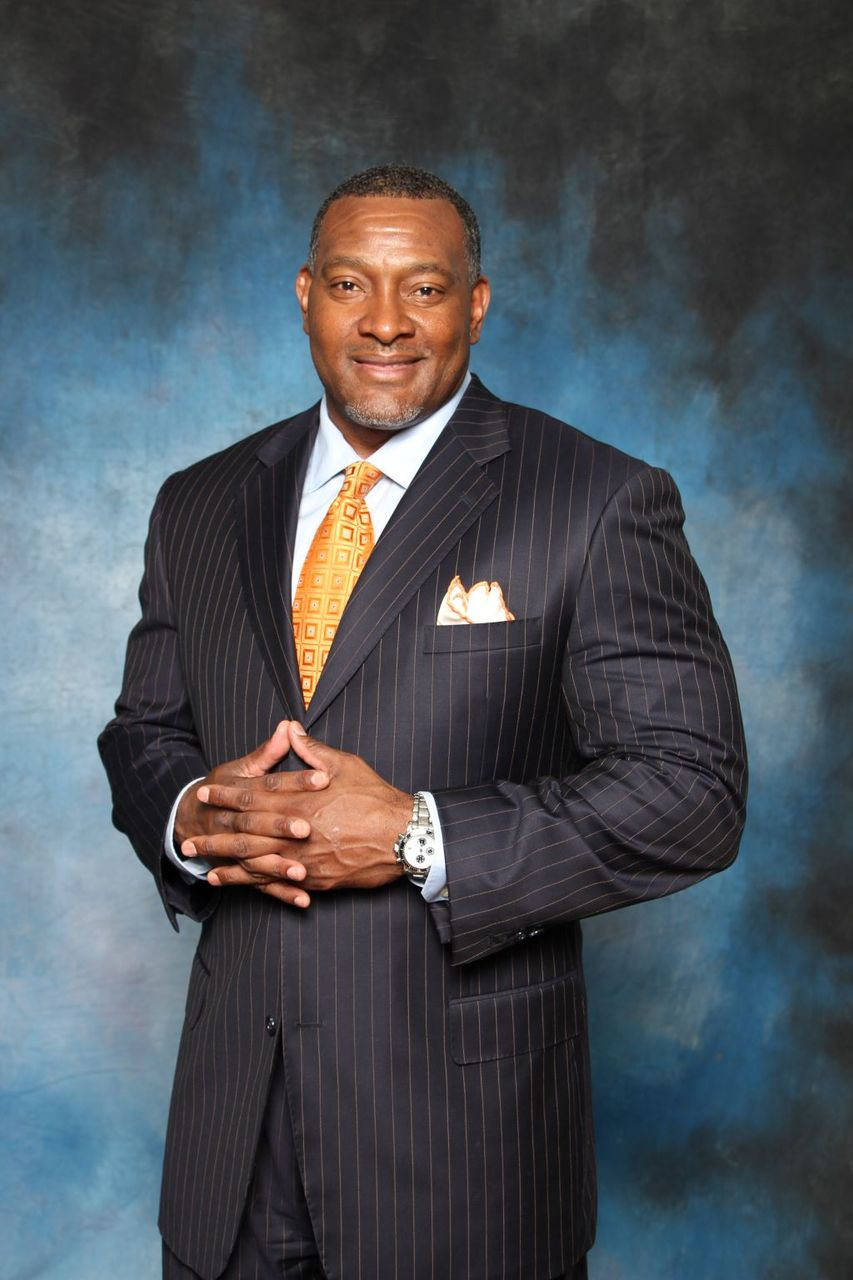 Question 1:
Jewish students, families, and educators have expressed growing concerns about antisemitism in K–12 schools and within educational organizations. If elected, what steps would you take to protect Jewish students and school employees and provide a learning and working environment where they feel safe, respected, and free from discrimination?
Answer: Every student deserves to enter school safe, valued, and free from fear. Every educator deserves a workplace where their identity is protected. Antisemitism has no place in our schools. A School Board has both a legal obligation and a moral responsibility to ensure that. Policies alone do not create safe schools. Leaders do. As Superintendent of Pittsburgh Public Schools, I built a partnership with Classrooms Without Borders that took teachers and students to Poland for an immersive Holocaust education experience. Students and teachers came home transformed. As a direct result of my vision and advocacy, Classrooms Without Borders expanded to include Civil Rights tours to the Deep South, connecting the lessons of the Holocaust to the history of racial injustice in America. I am the only candidate in this race who has already done this work, built this partnership, and produced this result. I also created the Superintendent’s Student Advisory Council, whose members visited the United States Holocaust Memorial Museum and the Smithsonian National Museum of African American History and Culture, then returned to their schools to educate peers and develop action plans promoting respect and inclusion. If elected, I will: -Establish clear board policy explicitly prohibiting antisemitism at every level, with defined consequences -Require mandatory administrator training with completion reported to the board -Create a trusted, transparent incident reporting pathway for Jewish students and families -Partner formally with the Jewish Federation, AJC Palm Beach, ADL Florida, and inSIGHT Through Education – Launch student leadership initiatives modeled on what I built as Superintendent -Require regular public reporting of bias-motivated incidents in District 4 and the entire School District. I will name antisemitism directly, speak plainly about what it costs, and make clear that ambiguity on this subject is not acceptable under my watch.
Question 2: What role should public schools play in teaching about Jewish history, the Holocaust, antisemitism, and Israel, and how would you work to ensure these topics are taught accurately and fairly?
Answer: Public schools should provide students with an academically rigorous, historically accurate, and age-appropriate understanding of Jewish history, the Holocaust, antisemitism, and Israel. These subjects should not be limited to isolated observances or brief textbook passages. They should be integrated into the curriculum so students understand Jewish identity, culture, contributions, resilience, and the consequences of antisemitism. The Holocaust must be taught with precision and context. Students should learn not only what occurred, but how propaganda, dehumanization, discriminatory laws, institutional complicity, and public indifference allowed persecution to escalate into genocide. Instruction should include primary sources, survivor testimony, credible scholarship, and age-appropriate materials that preserve historical truth. Instruction about Israel should be factual, balanced, and educational, not ideological. Students should understand the Jewish people’s historical connection to the land, the establishment of the modern State of Israel, its significance to Jewish identity, the diversity of Israeli society, and the region’s complexities. Fairness requires evidence, context, intellectual honesty, and a clear distinction between fact and opinion. As a School Board member, I would support curriculum review involving qualified educators, historians, content specialists, and community partners. I would advocate for high-quality materials, sustained teacher preparation, and transparent processes for correcting inaccuracies. As Superintendent of Pittsburgh Public Schools, initiated the development of Hebrew language courses as secondary world-language electives. Although the pandemic halted implementation, the initiative reflected my belief that Jewish history and identity should be taught not only through tragedy, but also through language, culture, scholarship, and enduring contributions.
Question 1:
Jewish students, families, and educators have expressed growing concerns about antisemitism in K–12 schools and within educational organizations. If elected, what steps would you take to protect Jewish students and school employees and provide a learning and working environment where they feel safe, respected, and free from discrimination?
Answer:
Question 2: What role should public schools play in teaching about Jewish history, the Holocaust, antisemitism, and Israel, and how would you work to ensure these topics are taught accurately and fairly?
Answer:
Question 1:
Jewish students, families, and educators have expressed growing concerns about antisemitism in K–12 schools and within educational organizations. If elected, what steps would you take to protect Jewish students and school employees and provide a learning and working environment where they feel safe, respected, and free from discrimination?
Answer:
Question 2: What role should public schools play in teaching about Jewish history, the Holocaust, antisemitism, and Israel, and how would you work to ensure these topics are taught accurately and fairly?
Answer: