Federal Races
Click a candidate below to view their questionnaire responses.

Question 1: Do you support current levels of U.S. military and diplomatic aid to Israel, and how would you respond to efforts to condition or reduce that aid?
Answer:
Question 2: Antisemitism has increased significantly in recent years, impacting schools, college campuses, houses of worship, workplaces, and public spaces. What role should the federal government play in combating antisemitism, and what policies or initiatives would you support to protect Jewish communities and other vulnerable populations?
Answer:
Question 3: Jewish organizations continue to invest substantial resources in security measures to protect community institutions. What steps would you take at the federal level to strengthen nonprofit security programs, improve coordination with law enforcement, and enhance the safety of faith-based communities?
Answer:
Question 1: Do you support current levels of U.S. military and diplomatic aid to Israel, and how would you respond to efforts to condition or reduce that aid?
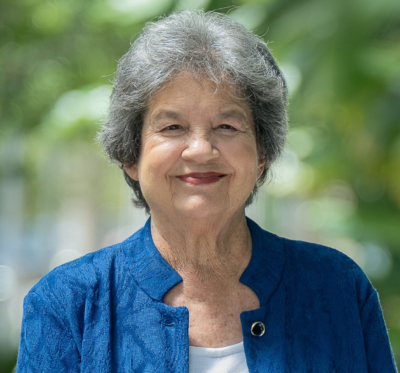
Answer: Israel is an important democratic ally of the United States in one of the world’s most dangerous regions. I have consistently supported Israel’s security, including the Memorandum of Understanding negotiated under President Obama. U.S. security assistance is already governed by American law, including the Arms Export Control Act and the Leahy Laws. As we look beyond the current Memorandum of Understanding, future funding should be based on the security needs of the United States, Israel, and the broader region. I also support humanitarian assistance for civilians in Gaza, provided it is protected from diversion by Hamas, and with development assistance when conditions allow. One of our goals should be a future in which Israelis and Palestinians can live side by side in peace, security, prosperity, freedom, and dignity.
Question 2: Antisemitism has increased significantly in recent years, impacting schools, college campuses, houses of worship, workplaces, and public spaces. What role should the federal government play in combating antisemitism, and what policies or initiatives would you support to protect Jewish communities?
Answer: No one should be targeted because of their faith or ethnicity, and every person deserves to worship, learn, work, and live free from hatred and violence. Meeting that responsibility requires Congress to provide the resources, enact the laws, and exercise the bipartisan oversight needed to prevent antisemitism, protect Jewish communities, and vigorously enforce our nation’s civil rights laws. There is no single solution, but Congress must pursue a comprehensive strategy that includes: increasing funding for the Nonprofit Security Grant Program to better protect synagogues, schools, and community centers; strengthening enforcement of federal civil rights laws that protect students from discrimination based on shared ancestry, ethnicity, or national origin, including antisemitic discrimination; fully funding the State Department’s Office of the Special Envoy to Monitor and Combat Antisemitism, and the Special Envoy for Holocaust Issues; supporting with funding the United States Holocaust Memorial Museum and Holocaust education; advancing bipartisan legislation, including the Protecting Students on Campus Act and the Antisemitism Awareness Act; supporting the work of the bipartisan Task Force for Combating Antisemitism; and using the voices of members of Congress to speak clearly and consistently against antisemitism and all forms of hate. These are examples, not an exhaustive list, of the actions Congress should continue to pursue to protect Jewish communities and uphold America’s commitment to religious freedom, civil rights, and equal justice.
Question 3: Jewish organizations continue to invest substantial resources in security measures to protect community institutions. What steps would you take at the federal level to strengthen nonprofit security programs, improve coordination with law enforcement, and enhance the safety of faith-based communities?
Answer: Protecting houses of worship and faith-based institutions from hate crimes and violence should be a core public safety responsibility. Congress should significantly boost funding for the Nonprofit Security Grant Program to address demand for security improvements while streamlining the application process to reduce administrative delays. Coordination among the Department of Justice, the Department of Homeland Security, and state and local law enforcement can also support intelligence sharing, threat assessments, training, and response planning for threats against religious institutions. Legislative proposals such as the Jewish American Security Act would expand support for nonprofit security grants and strengthen partnerships among federal, state, and local law enforcement. These measures are not all inclusive.
Question 1: Jewish organizations continue to invest substantial resources in security measures to protect community institutions. What steps would you take at the federal level to strengthen nonprofit security programs, improve coordination with law enforcement, and enhance the safety of faith-based communities?
Answer: I find it unfortunate that religious organizations have to spend so much money protecting themselves from potential violence. A synagogue, church, mosque, or religious school should be a place where people can gather peacefully without constantly worrying about their safety.
I support continuing and strengthening federal programs that help nonprofit and religious organizations improve their security, including the Nonprofit Security Grant Program.
I would like to see Congress pay particular attention to how accessible these programs are for smaller organizations. A large institution may have the resources to navigate a complicated federal grant application, while a smaller congregation may struggle to do the same. I don’t believe that should determine who receives protection.
I also support improving communication between local law enforcement, the FBI, the Department of Homeland Security, and community leaders. When credible threats arise, information should be shared quickly and responsibly so organizations have an opportunity to prepare.
Beyond funding, I would support additional emergency preparedness training, security assessments, and partnerships that help religious organizations understand the resources available to them.
I also think we need to listen directly to the people running these institutions. Government officials sometimes develop programs without fully understanding the everyday challenges facing the communities they are supposed to serve.
While I believe government has a responsibility to help protect vulnerable institutions, those efforts must also respect religious independence, privacy, and constitutional rights.
My approach would be practical. I want federal resources used responsibly, but I also recognize that preventing violence is far better than responding after someone has already been hurt.
Protecting religious freedom means making sure people can actually exercise that freedom safely.
Question 2: Do you support current levels of U.S. military and diplomatic aid to Israel, and how would you respond to efforts to condition or reduce that aid?
Answer: I support Israel, its right to exist, its right to defend itself, and the longstanding partnership between our two countries. I believe maintaining a strong relationship with Israel is important to American national security and stability in the Middle East.
I generally support continuing our existing military and diplomatic assistance to Israel. However, I also believe Congress has a responsibility to examine how American resources are used and ensure our foreign policy reflects our national interests, constitutional principles, and commitment to human rights.
If proposals arise to reduce or condition assistance, I would evaluate them individually rather than automatically supporting or opposing them. I would consider Israel’s security needs, credible evidence, humanitarian concerns, existing commitments, and the potential consequences of any changes.
Being a dependable ally does not mean abandoning independent judgment. Strong relationships should allow for honest conversations, accountability, and mutual respect.
I condemn terrorism, including the October 7 attacks by Hamas. I also believe we can support Israel’s security while recognizing the humanity and dignity of life.
Protecting innocent lives, providing humanitarian assistance, and pursuing lasting peace should remain important American priorities.
As a Republican, I believe in strong alliances, responsible government, and congressional oversight. However, I don’t believe either political party has all the answers.
I am willing to listen to different perspectives, including those I may initially disagree with. If credible information challenges my position, I believe I have a responsibility to reconsider it.
Ultimately, I support Israel, peace, human rights, and American interests. My commitment is to make decisions based on facts, fairness, and what I believe is right, rather than political pressure.
Question 3: Antisemitism has increased significantly in recent years, impacting schools, college campuses, houses of worship, workplaces, and public spaces. What role should the federal government play in combating antisemitism, and what policies or initiatives would you support to protect Jewish communities?
Answer: I believe every American deserves to feel safe and respected, regardless of their religion, background, or political beliefs. It is deeply troubling that Jewish Americans continue to face threats, harassment, and discrimination simply because of their identity. Antisemitism has no place in our country, and we cannot allow hatred to become a normal part of American life.I believe the federal government has a responsibility to combat antisemitism by enforcing civil rights laws, investigating credible threats, and holding individuals accountable when they engage in unlawful discrimination or violence.I support stronger enforcement of protections in schools and universities, improved reporting of antisemitic incidents, and educational initiatives that teach younger generations about the Holocaust, Jewish history, and the consequences of hatred.However, I also believe protecting constitutional freedoms is essential. Americans have the right to criticize governments, including Israel’s government, and peacefully express political disagreements. We must distinguish legitimate political expression from threats, harassment, and discrimination directed at Jewish individuals.As a young Republican, I believe combating antisemitism should bring Americans together rather than divide us along party lines. This is not exclusively a Republican or Democratic responsibility. It is an American responsibility.I also believe the government must protect people of all faiths, including Jewish, Christian, and Muslim communities. Religious freedom must apply equally to everyone.I don’t claim to have every answer. I believe meaningful progress begins with listening to affected communities, understanding their concerns, and working together on practical solutions.No American should have to live in fear because of their faith. That is a principle I will always stand behind.
Question 1: Do you support current levels of U.S. military and diplomatic aid to Israel, and how would you respond to efforts to condition or reduce that aid?
Answer:
Question 2: Antisemitism has increased significantly in recent years, impacting schools, college campuses, houses of worship, workplaces, and public spaces. What role should the federal government play in combating antisemitism, and what policies or initiatives would you support to protect Jewish communities and other vulnerable populations?
Answer:
Question 3: Jewish organizations continue to invest substantial resources in security measures to protect community institutions. What steps would you take at the federal level to strengthen nonprofit security programs, improve coordination with law enforcement, and enhance the safety of faith-based communities?
Answer:
Question 1: Do you support current levels of U.S. military and diplomatic aid to Israel, and how would you respond to efforts to condition or reduce that aid?
Answer: Yes. I support the full funding commitment in the 2016 Memorandum of Understanding, including funding for Iron Dome, David’s Sling, and cooperative missile defense programs, and I have voted that way consistently.
I oppose efforts to condition or reduce that aid, and I have said so publicly when the pressure to do otherwise came from inside my own party. Israel is a democratic ally in the most dangerous neighborhood on earth, facing Hamas, Hezbollah, the Houthis, and an Iranian regime that funds all three while pursuing nuclear capability. Security assistance is not a favor. It is a strategic investment that keeps American forces out of a wider war and keeps missile defense systems that have saved thousands of civilian lives, Israeli and otherwise, operational.
Conditioning aid also does not work on its own terms. It does not produce better outcomes for Palestinians. It signals to adversaries that American commitments have an expiration date, and it invites exactly the pressure campaign that groups seeking Israel’s isolation are trying to build. I have opposed BDS since my first term in the Florida Legislature, and I apply the same standard to conditioning proposals dressed up in different language.
I will keep making that case on the Foreign Affairs Committee, including to colleagues who are misinformed rather than hostile. Much of this work is persuasion inside the building, and I do it.
Question 2: Antisemitism has increased significantly in recent years, impacting schools, college campuses, houses of worship, workplaces, and public spaces. What role should the federal government play in combating antisemitism, and what policies or initiatives would you support to protect Jewish communities?
Answer: This is personal for me. I am the grandson of Holocaust survivors, and I represent one of the largest Jewish communities of any district in the country. When a man in my district plotted to kill me, authorities stopped it in time and found an antisemitic manifesto in the man’s possession. Not everyone’s story ends that way, and that is why I treat this as a security problem to be solved rather than a subject for statements.
In June I helped lead the introduction of the bipartisan Jewish American Security Act, sponsored by 30 members from both parties. It requires enhanced Title VI compliance on college campuses and creates dedicated antisemitism coordinators to handle discrimination complaints, expands and reforms the Nonprofit Security Grant Program at $1 billion annually, creates new grants for local law enforcement protecting houses of worship, and improves federal tracking of antisemitic incidents and transparency around antisemitic content on large online platforms. Passing it is my priority in this area.
I also co-led the bipartisan Antisemitism Awareness Act, which passed the House, to protect Jewish students on campus from harassment and discrimination. This record did not start in Congress. As a State Representative I sponsored and passed Florida’s anti-BDS law, only the second of its kind in the nation.
I have called out antisemitism on the right and on the left, including inside my own party. Everyone needs to do their part to stop the rising tide of antisemitism, no matter where it’s coming from.
Question 3: Jewish organizations continue to invest substantial resources in security measures to protect community institutions. What steps would you take at the federal level to strengthen nonprofit security programs, improve coordination with law enforcement, and enhance the safety of faith-based communities?
Answer: As Florida’s Director of Emergency Management I oversaw security grant requests from houses of worship across the state, and the same thing happened every funding cycle: there was never enough funding to cover every institution that applied and could document a real threat. In Congress I have helped secure federal Nonprofit Security Grants for synagogues, JCCs, and Jewish day schools across our district.
The Jewish American Security Act, which I helped lead, brings reforms and more funding to these essential programs. Today the application favors institutions with professional grant writers. A large federation can navigate it. A small congregation with a part-time administrator often cannot, and those are frequently the softest targets. I want real technical assistance so applying does not require hiring a consultant, and faster reimbursement, because asking a congregation to front six figures and wait is not realistic.
The bill also creates new grant opportunities specifically for local law enforcement protecting houses of worship. Threat information has to reach the people who can act on it, and local police should be training with congregation security teams before an incident, not meeting them during one.
Question 1: Do you support current levels of U.S. military and diplomatic aid to Israel, and how would you respond to efforts to condition or reduce that aid?
Answer: I fully support maintaining and accelerating U.S. military and diplomatic aid to Israel. The 10-year Memorandum of Understanding (MOU) that guarantees $3.8 billion annually is a critical investment in America’s own national security and strategic interests in the Middle East. As a proud Jewish Zionist endorsed by Amb. David Friedman, President Trump’s Ambassador to Israel, I believe we must lead from the front to defend this vital alliance. Any effort to condition, reduce, or delay this aid is a dangerous appeasement of the radical left and a direct threat to Israel’s survival. When Israel’s security is on the line, our community needs a representative who will not bend to the political winds of their party. In Congress, my response to the anti-Israel wing of the Democratic Party will be uncompromising. I will fight to: Fund the MOU Without Conditions: I will aggressively oppose any legislative attempts to impose political benchmarks, delays, or restrictions on Foreign Military Financing to Israel. Accelerate Critical Munitions: I will push to bypass bureaucratic red tape and expedite the delivery of precision-guided munitions and vital resupplies for joint defense architectures like the Iron Dome, David’s Sling, and the Arrow programs. Reject Diplomatic Appeasement: On the global stage, I will oppose any U.S. diplomatic efforts at the United Nations or the ICC that seek to delegitimize Israel’s right to self-defense, and I will fiercely oppose any weakened nuclear deals or sanctions relief for the Iranian regime. Our community deserves a fierce advocate who will ruthlessly call out the antisemites hiding within the halls of Congress and ensure our ally Israel has the military capability to withstand attacks from our common enemies.
Question 2: Antisemitism has increased significantly in recent years, impacting schools, college campuses, houses of worship, workplaces, and public spaces. What role should the federal government play in combating antisemitism, and what policies or initiatives would you support to protect Jewish communities?
Answer: The rise of antisemitism is a national crisis requiring a zero-tolerance federal response. As Mayor of Boca Raton, I made our city a premier destination to raise a Jewish family by prioritizing safety and leading the city to adopt the IHRA definition of antisemitism. In Congress, I will work to protect Jewish communities nationwide: 1. Nonprofit Security Grant Program (NSGP): The federal government must guarantee the safety of Jewish institutions. I will fight to dramatically expand the NSGP. We should ensure that synagogues, day schools, JCCs, and Federation campuses never have to choose between funding community programs and paying for security. 2. Title VI Enforcement: The federal government has the authority to protect Jewish students through Title VI of the Civil Rights Act. Through my work at the America First Policy Institute (AFPI), I have been working to hold universities accountable. In Congress, I will fight to strip federal funding from any university that tolerates the harassment of Jewish students. I propose a bill to stop federal taxpayer dollars from any university that accepts money from foreign governments. We should not fund institutions that tolerate antisemitism, hate, or interests adverse to our shared American values. 3.Adoption of the IHRA Definition: The federal government must adopt the IHRA working definition of antisemitism across all agencies to guide civil rights enforcement, just as I successfully led the Boca Raton City Council to do so locally. Through my work on the U.S. Advisory Board of the Combat Antisemitism Movement (CAM), I understand how hatred spreads rapidly in public spaces and online. FL-25 deserves an unapologetic Jewish Zionist who will utilize every tool of the federal government to crush antisemitism and protect our families. With the alarming rise in opposition to Israel in today’s far-left Democrat party, voters now have a choice of someone whose views will not be undermined or silenced by his own caucus.
Question 3: Jewish organizations continue to invest substantial resources in security measures to protect community institutions. What steps would you take at the federal level to strengthen nonprofit security programs, improve coordination with law enforcement, and enhance the safety of faith-based communities?
Answer: The safety of our faith-based communities is non-negotiable. As the threat of antisemitic and extremist violence escalates, the federal government must dramatically increase its support for the institutions on the front lines. Having led our city’s efforts as Mayor of Boca Raton, I know that robust, proactive defense requires reliable federal funding and seamless coordination with local law enforcement. In Congress, I will: Dramatically Expand the NSGP: The Nonprofit Security Grant Program (NSGP) is the most critical federal lifeline for safeguarding our institutions. While recent funding cycles provided $300 million for FY 2026, the demand far outpaces the supply. I will lead the fight to significantly expand the NSGP, ensuring that our synagogues, day schools, and community centers can fund essential facility hardening, cybersecurity, access control systems, and contracted security personnel. No Jewish institution should be left vulnerable because federal funds ran out. Streamline Access and Cut Red Tape: Too many organizations struggle to navigate the complex FEMA application process and State Administrative Agency (SAA) requirements. I will work to simplify the application and risk assessment processes so that smaller synagogues and day schools have access to these critical funds without drowning in bureaucratic red tape. Enhance Threat Intelligence Sharing: Physical barriers are only half the equation; we need proactive intelligence. I will push the Department of Homeland Security (DHS) and the FBI to improve real-time threat intelligence sharing directly with faith-based organizations and local law enforcement. Through enhanced coordination with the DHS Center for Faith-Based and Neighborhood Partnerships, we must ensure community leaders receive actionable assessments to preempt threats before they materialize. We must guarantee that every Jewish family can worship, learn, and gather in absolute safety, free from fear or intimidation.
Question:
The Florida Chief Financial Officer plays an important role in overseeing the state’s investment portfolio, which includes investments in Israel Bonds. What factors would guide your decisions regarding Florida’s continued investment in Israel Bonds, and do you support maintaining or increasing these investments?
Answer:
Question 1: Do you support current levels of U.S. military and diplomatic aid to Israel, and how would you respond to efforts to condition or reduce that aid?
Answer:
Question 2: Antisemitism has increased significantly in recent years, impacting schools, college campuses, houses of worship, workplaces, and public spaces. What role should the federal government play in combating antisemitism, and what policies or initiatives would you support to protect Jewish communities and other vulnerable populations?
Answer:
Question 3: Jewish organizations continue to invest substantial resources in security measures to protect community institutions. What steps would you take at the federal level to strengthen nonprofit security programs, improve coordination with law enforcement, and enhance the safety of faith-based communities?
Answer:
Question 1: Do you support current levels of U.S. military and diplomatic aid to Israel, and how would you respond to efforts to condition or reduce that aid?
Answer:
Question 2: Antisemitism has increased significantly in recent years, impacting schools, college campuses, houses of worship, workplaces, and public spaces. What role should the federal government play in combating antisemitism, and what policies or initiatives would you support to protect Jewish communities and other vulnerable populations?
Answer:
Question 3: Jewish organizations continue to invest substantial resources in security measures to protect community institutions. What steps would you take at the federal level to strengthen nonprofit security programs, improve coordination with law enforcement, and enhance the safety of faith-based communities?
Answer:
Statewide Races
Click a candidate below to view their questionnaire responses.
Question 1: Florida is home to one of the nation’s largest Jewish populations. What role should the Governor play in addressing antisemitism, supporting religious communities, and ensuring that Florida remains a welcoming and secure place for people of all faiths?
Answer:
Question 2: Florida has long maintained important partnerships with Israel. Do you support state initiatives that strengthen Florida’s partnership with Israel? How would you approach Florida’s relationship with Israel?
Answer:
Question 1: Florida is home to one of the nation’s largest Jewish populations. What role should the Governor play in addressing antisemitism, supporting religious communities, and ensuring that Florida remains a welcoming and secure place for people of all faiths?
Answer: We have experienced as a country and within our state a significant rise in anti-Jewish hate crime incidents. Regardless of the source of data reported it is clear that Antisemitic incidents are on a sharp rise and according to the FBI, this year is the third highest year on record for hate crimes. Of the hate crimes reported, approximately 63 percent are focused on the Jewish population. This is unacceptable at all levels. The Anti-Defamation League, (ADL) confirmed that deadly weapon assaults on Jewish persons increased as well. The ADL also documented a 30 percent increase in specifically antisemitic propaganda. This is not just an issue for Jewish Americans this is an issue for all Americans. Persons of Jewish descent should NOT live in constant fear when engaging in everyday life. Persons of Jewish descent should not feel targeted for going to work, school, and religious activities. The Southern Poverty Law Center Reports White Nationalism is equally on the rise. The center reports there are over 150 active groups. Our administration will prosecute anti-semitic or white nationalist hate crimes. David Jolly STRONGLY pledges to combat and pursue any effort, advocacy or movement that allows antisemitism, extremism and white nationalism. Through our Office of Civil Rights our administration will actively address discrimination in all forms and make it clear that the State not only has a zero tolerance policy, but will act swiftly to address wrongdoers. Our goal is to prevent hate crimes and bias-motivated violence by improving reporting systems, expanding victim services, supporting community partnerships, and promoting education that builds understanding across communities to ensure that we fight crime, not communities. Throughout every area of government, a David Jolly Administration will emphasize collaboration over conflict, innovation over ideology, and measurable outcomes over political rhetoric. We will be actively working to deliver policies that improve the quality of life for all Floridians while preserving the freedoms and values that unite the state.
Question 2: Florida has long maintained important partnerships with Israel. Do you support state initiatives that strengthen Florida’s partnership with Israel? How would you approach Florida’s relationship with Israel?
Answer: Yes. Florida will maintain a strong relationship with Israel. Rather than governing through division, our administration will look to build broader partnerships that bring people together around shared goals. Our economic policies will emphasize expanding opportunity, supporting small businesses, investing in workforce development, and encouraging growth in communities that have historically faced systemic barriers. The David Jolly Administration will embrace opportunities when they align with helping Floridians, particularly with companies on the cutting edge of technology and research. My focus is clear- Housing, Healthcare and Education will help all Floridians as we battle the current affordability crisis.
Question 1: How would you use the authority and resources of the Attorney General’s Office to combat antisemitism, strengthen the enforcement of Florida’s hate-crime and civil-rights laws, and protect Jewish Floridians?
Answer:
Question 1: How would you use the authority and resources of the Attorney General’s Office to combat antisemitism, strengthen the enforcement of Florida’s hate-crime and civil-rights laws, and protect Jewish Floridians?
Answer:
Question 1: The Florida Chief Financial Officer plays an important role in overseeing the state’s investment portfolio, which includes investments in Israel Bonds. What factors would guide your decisions regarding Florida’s continued investment in Israel Bonds, and do you support maintaining or increasing these investments?
Answer:
Question 1: Florida and Israel have developed important partnerships in agriculture technology, and water, citrus, and environmental innovation. How would you work to strengthen those relationships and encourage continued collaboration between Florida and Israel?
Answer: To strengthen the economic and technological partnership between Florida and Israel I would look into expanding joint funding and scaling existing frameworks in agriculture, water management, and environmental innovation.
To start, I would look at the following ways to potentially expand this collaboration, with a prioritization on combating citrus greening, as the industry is on the brink of collapse:
– Establish Dedicated AgTech and Water Funds: Create a targeted state-backed matching fund specifically for joint ventures between Florida citrus growers and Israeli precision agriculture companies to combat citrus greening.
– Deploy Israeli Desalination and Recycling Tech: Integrate Israeli smart-water infrastructure and advanced desalination technologies into Florida’s coastal water management systems to combat rising sea levels and saltwater intrusion.
– Enhance Space Florida and Israel Innovation Authority (IIA) Partnerships: Scale up the existing joint grant programs that fund collaborative aerospace, technology, and environmental projects.
– Co-develop Everglade Restoration Initiatives: Utilize Israeli expertise in wastewater reclamation and filtration to support ongoing water quality and ecosystem restoration efforts in the Everglades.
– Launch University-Backed Accelerators: Create exchange programs and joint incubators between Florida universities (such as UF, UCF, and FIU) and Israeli institutions (like the Technion or Hebrew University) focusing on climate resilience and sustainable farming.
– Work to fast-track field testing and localized validation of proven Israeli environmental technologies.
Question 2: The Florida Department of Agriculture and Consumer Services plays an important role in supporting nutrition programs and expanding access to healthy food. How would you collaborate with other state agencies and community organizations to reduce food insecurity among vulnerable seniors, including Holocaust survivors?
Answer: As a starting point,, I’d look to collaborate with the following state agencies to streamline data, outreach, and distribution: Department of Elder Affairs (DOEA) and Florida’s Area Agencies on Aging (AAAs) to cross-reference data and ensure seniors receiving home-care services are automatically screened for nutritional risk and enrolled in programs like the Senior Farmers’ Market Nutrition Program (SFMNP). The Department of Children and Families (DCF) to increase SNAP (Food Stamps) participation among eligible seniors by simplifying the application process and deploying mobile enrollment units to senior centers. Holocaust survivors and historically marginalized senior populations often face unique psychological, cultural, and physical barriers to accessing traditional food assistance, so I would also look into the following specialized outreach for Holocaust survivors and vulnerable populations:>> For many Holocaust survivors, empty shelves, waiting in long lines, or being asked intrusive personal questions to prove poverty can trigger profound trauma. I would look at partnering with organizations like the Network of Jewish Human Service Agencies (NJHSA) and local Jewish Family Services (JFS) to implement home-delivery models. This ensures food is delivered with dignity, privacy, and deep cultural sensitivity.>> I’d look at collaborating with community partners to ensure distribution streams include certified Kosher meals for Jewish survivors, and medically tailored meals (low-sodium, diabetic-friendly) for homebound seniors with chronic medical conditions.>> Many vulnerable seniors do not speak English as a first language or may distrust government programs, so I’d look at partnering with trusted local entities such as Area Agencies on Aging (AAAs), and local faith-based groups to translate outreach materials and utilize trusted community messengers to conduct enrollment.
Question 1: Florida and Israel have developed important partnerships in agricultural technology, and water, citrus, and environmental innovation. How would you work to strengthen those relationships and encourage continued collaboration between Florida and Israel?
Answer:
Question 2: The Florida Department of Agriculture and Consumer Services plays an important role in supporting nutrition programs and expanding access to healthy food. How would you collaborate with other state agencies and community organizations to reduce food insecurity among seniors, including Holocaust survivors and other vulnerable populations?
Answer:
State Races
Click a candidate below to view their questionnaire responses.
Question 1: Florida has enacted several laws addressing antisemitism, but Jewish Floridians continue to report incidents in schools, colleges, workplaces, and public spaces. What additional actions, if any, should the Florida Legislature take to combat antisemitism?
Answer: Antisemitism is an issue I have worked on at both the local and state level. I am a graduate of the ADL’s Glass Leadership Institute, and while serving on the Delray Beach City Commission I helped lead an update to our public-meeting rules in response to antisemitic hate speech during a local county commission meeting, while respecting First Amendment protections. The City’s adopted rules expressly address disruptive and prejudicial conduct while recognizing constitutional protections.
In the Legislature, I co-sponsored Rep. Mike Gottlieb’s HB 111 to establish a statewide Antisemitism Task Force to study the prevalence of antisemitism and recommend policy responses. The bill did not pass, and I would support renewing that effort next session, along with continued Holocaust education, consistent reporting of antisemitic incidents and enforcement of existing civil-rights protections.
Question 2: Florida has long maintained strong economic, educational, and cultural partnerships with Israel. Do you support continuing this partnership, and do you see any opportunities to further strengthen Florida’s relationship with Israel?
Answer: Yes. I support continuing Florida’s economic, educational and cultural partnerships with Israel. There are opportunities to deepen cooperation in areas where Florida and Israel share significant interests, including water technology, agriculture, medicine, cybersecurity, aerospace and resilience.
Florida is already facilitating connections between Israeli technology companies, Florida businesses, investors and state agencies through efforts such as the Florida-Israel Business Accelerator and Florida-Israel Pitch Day. I would support expanding those relationships, particularly university research collaborations and partnerships that can turn innovation into practical solutions and economic opportunities in Florida.
Question 3: Jewish institutions continue to invest substantial resources to protect themselves. What role should the Legislature play in ensuring these organizations have the resources they need to keep their communities safe?
Answer: The state should continue helping institutions facing elevated threats protect their congregants, students, staff and visitors. Florida already funds security measures for Jewish day schools and preschools and operates a broader Nonprofit Security Grant Program for houses of worship, schools and other organizations at high risk of hate crimes or violent attacks. Those programs can support physical security improvements, trained security personnel and preparedness.
I support maintaining adequate, risk-based funding for those programs and making sure smaller organizations can realistically access them. The broader Nonprofit Security Grant Program is currently scheduled to repeal in 2028 unless the Legislature acts, so that is something we should address before the sunset date.
Question 1: Florida has enacted several laws addressing antisemitism, but Jewish Floridians continue to report incidents in schools, colleges, workplaces, and public spaces. What additional actions, if any, should the Florida Legislature take to combat antisemitism?
Answer:
Question 2: Florida has long maintained strong economic, educational, and cultural partnerships with Israel. Do you support continuing this partnership, and do you see any opportunities to further strengthen Florida’s relationship with Israel?
Answer:
Question 3: Jewish institutions continue to invest substantial resources to protect themselves. What role should the Legislature play in ensuring these organizations have the resources they need to keep their communities safe?
Answer:
Question 1: Florida has enacted several laws addressing antisemitism, but Jewish Floridians continue to report incidents in schools, colleges, workplaces, and public spaces. What additional actions, if any, should the Florida Legislature take to combat antisemitism?
Answer: I firmly believe that the completely unnecessary and redundant Florida State Guard should be transitioned into a statewide anti-hate task force.
The current staffing of almost 2000 para military personnel, would be effective in helping protecting guard the victims of hate in Florida. Which is primarily Jewish facilities. If these personnel were directed to guard, Jewish Catholic, and any other religious institution, those facilities could better spend their resources otherwise
Question 2: Florida has long maintained strong economic, educational, and cultural partnerships with Israel. Do you support continuing this partnership, and do you see any opportunities to further strengthen Florida’s relationship with Israel?
Answer: The long and mutually beneficial relationships with Israel have been an asset to Florida. Nothing should be changed.
Question 3: Jewish institutions continue to invest substantial resources to protect themselves. What role should the Legislature play in ensuring these organizations have the resources they need to keep their communities safe?
Answer: Please refer to my previous question. About converting the Florida State guard into a statewide anti-hate task force.
Question 1: Florida has enacted several laws addressing antisemitism, but Jewish Floridians continue to report incidents in schools, colleges, workplaces, and public spaces. What additional actions, if any, should the Florida Legislature take to combat antisemitism?
Answer:
Question 2: Florida has long maintained strong economic, educational, and cultural partnerships with Israel. Do you support continuing this partnership, and do you see any opportunities to further strengthen Florida’s relationship with Israel?
Answer:
Question 3: Jewish institutions continue to invest substantial resources to protect themselves. What role should the Legislature play in ensuring these organizations have the resources they need to keep their communities safe?
Answer:
Question 1: Florida has enacted several laws addressing antisemitism, but Jewish Floridians continue to report incidents in schools, colleges, workplaces, and public spaces. What additional actions, if any, should the Florida Legislature take to combat antisemitism?
Answer: I am proud to have supported bills in the past that define antisemitism, provide enhanced penalties for hate crimes, recognize January 27th as Holocaust Remembrance Day, and fund security at Jewish schools, but, yes there is more work to be done. Education is key to addressing antisemitism and opportunities to share the rich history and cultural importance of the Jewish people is paramount in turning the tide not toward tolerance but toward acceptance, curiosity, and respect.
Question 2: Florida has long maintained strong economic, educational, and cultural partnerships with Israel. Do you support continuing this partnership, and do you see any opportunities to further strengthen Florida’s relationship with Israel?
Answer: Yes, I support continuing economic, educational, and cultural partnerships with Israel. Israel’s extraordinary breakthroughs in research and its cultural collaborations should be showcased through additional attention and acknowledgement throughout the State.
Question 3: Jewish institutions continue to invest substantial resources to protect themselves. What role should the Legislature play in ensuring these organizations have the resources they need to keep their communities safe?
Answer: I support enhanced state funding for additional security measures at Jewish institutions.
Question 1: Florida has enacted several laws addressing antisemitism, but Jewish Floridians continue to report incidents in schools, colleges, workplaces, and public spaces. What additional actions, if any, should the Florida Legislature take to combat antisemitism?
Answer:
Question 2: Florida has long maintained strong economic, educational, and cultural partnerships with Israel. Do you support continuing this partnership, and do you see any opportunities to further strengthen Florida’s relationship with Israel?
Answer:
Question 3: Jewish institutions continue to invest substantial resources to protect themselves. What role should the Legislature play in ensuring these organizations have the resources they need to keep their communities safe?
Answer:
County Races
Click a candidate below to view their questionnaire responses.
Question: Palm Beach County currently holds $1 billion in Israel Bonds, making it the world’s largest Israel Bonds investor. Please explain your position on this investment and how you would approach Israel Bonds as part of the County’s investment portfolio.
Answer:
Question: Palm Beach County currently holds $1 billion in Israel Bonds, making it the world’s largest Israel Bonds investor. Please explain your position on this investment and how you would approach Israel Bonds as part of the County’s investment portfolio.
Answer: I strongly support Palm Beach County’s investment in Israel Bonds. I believe they are a sound financial investment that also reflects our County’s values: standing with an important American ally, strengthening our longstanding relationship with Israel, and recognizing the deep connections so many residents have to its people and its future. Earning competitive returns for taxpayers while supporting Israel’s economic strength is something we can be proud of. I see Israel Bonds as an important part of the County’s investment portfolio and would support continued investment.
As Clerk and Comptroller, I would pair that support with responsible financial oversight. That means working with investment professionals to evaluate performance, maintain a diversified portfolio, and ensure the County has the funds available to meet its obligations and provide essential services. Residents deserve clear, accessible information about how their money is invested and what those investments earn. My goal would be to protect taxpayer dollars, deliver strong financial results, and continue an investment that reflects both our financial priorities and our community’s enduring support for
Thanks for the Opportunity and support.
Question 1: What role should the County Commission play in addressing antisemitism, supporting the safety of Jewish residents and institutions, and ensuring that hate has no place in Palm Beach County?
Answer: I was born and raised in Boca Raton, and my family has called this community home for more than 80 years. My connection here runs deep. When we talk about keeping our community safe, we are talking about our neighbors, our friends, and the families who have built their lives here alongside ours.After graduating from the U.S. Naval Academy, I was assigned to work with U.S. Navy chaplains, helping facilitate religious services for thousands of sailors and working closely with our rabbis and other faith leaders. Helping people practice their faith was part of my service, and that experience is part of the perspective I bring to this conversation.Jewish residents deserve to live openly, practice their faith, and feel safe in their own community. No parent should have to worry about their child’s safety because they attend a Jewish school, and no one should feel afraid walking into a synagogue.The County Commission’s responsibilities include county policy, budgeting, and cooperation with public-safety officials, while respecting the Sheriff’s independent role. Those responsibilities provide opportunities to address security needs and bring community concerns to the appropriate agencies.I welcome conversations with residents, rabbis, educators, and community leaders about what they are experiencing and where they see gaps in protection. Listening means more than hearing a concern, it means making sure people know whom to contact and what happens next. Antisemitism has no place here. Every neighbor deserves dignity, belonging, and the freedom to live without fear.
Question 2: Do you support the County continuing to consider investments in Israel Bonds when they meet the County’s financial and fiduciary requirements? What factors would guide your decisions regarding Palm Beach County’s continued investment in Israel Bonds?
Answer: For me, this question begins with the responsibility that comes with managing our neighbors’ money. Residents deserve an understandable explanation of how their money is invested, not a conversation that requires a finance degree to follow.For Israel Bonds, as with other eligible investments, the financial review involves more than the interest rate. Florida law places protecting public money and keeping it available for county obligations ahead of maximizing returns. In everyday terms, that means looking at whether the money is protected, when it will be available, and what it will earn.The factors I would examine include creditworthiness, repayment terms, maturity dates, and how much of the county’s portfolio is invested with a single issuer. I would also ask for comparisons with other eligible investments, taking differences in risk and access to funds into account. These considerations reflect the state’s requirements concerning prudence, liquidity, maturity, and diversification.The questions are straightforward: What will this investment earn? What risks come with it? And how does it fit the county’s needs?I welcome residents’ questions about those decisions. Whether someone follows financial markets closely or simply wants to know that their tax dollars are being handled responsibly, they deserve clear information and a respectful conversation.
Question 1: What role should the County Commission play in addressing antisemitism, supporting the safety of Jewish residents and institutions, and ensuring that hate has no place in Palm Beach County?
Answer: Palm Beach County is home, and I take protecting it personally. I’ve lived in Boca Raton for more than 20 years, and District 4 is home to one of the country’s largest Jewish communities.
These are my neighbors, and they deserve to go to synagogue, send their kids to school, and gather as a community without looking over their shoulders.
The Commission’s job starts with the basics: making sure our Sheriff’s Office has what it needs to protect Jewish institutions, making sure our law enforcement agencies are talking to each other and to community security partners, and helping synagogues and schools get the state and federal security grants they’re entitled to.
It also means leadership. When antisemitism showed up in our county in the form of three Neo-Nazi’s speaking at Matters by the Public several years ago, I was the first commissioner to speak up after they finished their rant. I was clear that even though we allowed them to speak in our public meeting as was their first amendment right, they did not speak for us nor the community we represent. I was adamant that I did not agree with anything they stood for and they never returned to our chambers.
Question 2: Do you support the County continuing to consider investments in Israel Bonds when they meet the County’s financial and fiduciary requirements? What factors would guide your decisions regarding Palm Beach County’s continued investment in Israel Bonds?
Answer: Yes. I support the County continuing to purchase Israel Bonds when they meet our financial and fiduciary requirements. I ask the same question of every dollar the County handles: is this the best use of taxpayer money, and does it provide a benefit to the taxpayers of PBC?
For investments, that means safety of principal first, then liquidity, then a fair return, all within our adopted investment policy, advised by our investment committee, and Florida law. Israel Bonds have a long record of reliable repayment, and they also reflect the real business, cultural, and family ties between our community and Israel.
I have received numerous emails, phone calls and messages on social media demanding we divest from all Israel Bond investments. The local DSA group is loud, disruptive and often threatening. They recently opted to recruit out-of-state agitators to disrupt our final budget hearing on Tuesday, September 15, 2026. I will not change my position based on their actions. It is important that we do not cower to propaganda and misinformation used to divide our communities.
School Board
Click a candidate below to view their questionnaire responses.
Question 1: Jewish students, families, and educators have expressed growing concerns about antisemitism in K–12 schools and within educational organizations. If elected, what steps would you take to protect Jewish students and school employees and provide a learning and working environment where they feel safe, respected, and free from discrimination?
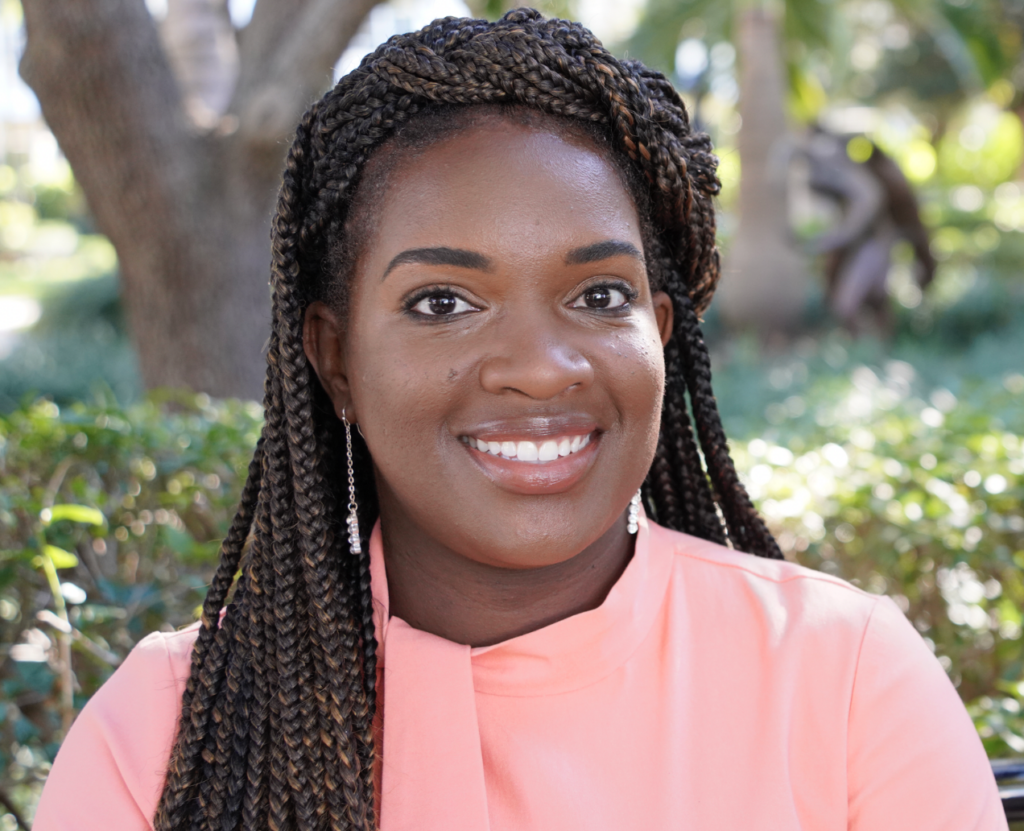
Answer: As a mom, former educator, and public servant, I believe every student and employee should be able to walk into our schools feeling safe, respected, and free from discrimination. Antisemitism has no place in our classrooms or workplaces. As a School Board member, I would expect reports of antisemitic harassment, threats, or discrimination to be taken seriously, investigated promptly, and addressed consistently. I would also make sure students, families, and employees understand how to report concerns and have confidence that those concerns will not be ignored.Prevention is just as important as response. I would support age-appropriate education about the Holocaust and antisemitism, training that helps staff recognize antisemitic stereotypes and harassment, and ongoing engagement with Jewish families and community organizations so we are listening to those directly affected. Florida law prohibits religious discrimination in public education, and federal Title VI protections also extend to Jewish students experiencing discrimination based on shared ancestry or ethnic characteristics. Online SunshineMy standard would be simple: every child and every employee deserves to feel that they belong, that they are protected, and that their faith or identity will never make them a target.
Question 2: What role should public schools play in teaching about Jewish history, the Holocaust, antisemitism, and Israel, and how would you work to ensure these topics are taught accurately and fairly?
Answer: Public schools have an important responsibility to teach these subjects with historical accuracy, context, and respect. Students should understand Jewish history and contributions, the Holocaust and the consequences of antisemitism, as well as the historical and geopolitical context surrounding Israel. In Florida, Holocaust education and instruction on antisemitism are already part of required public-school instruction, and state standards specifically address Jewish history and contemporary forms of antisemitism. Online SunshineAs a School Board member, I would focus on ensuring that instruction follows state standards, uses credible and age-appropriate materials, and gives teachers the training and resources necessary to teach complex subjects responsibly. I would support the use of primary sources, survivor testimony, reputable historical scholarship, and resources from recognized Holocaust education organizations. Florida’s Commissioner’s Task Force on Holocaust Education already provides districts with resources and instructional support that can help strengthen this work. Florida Department of EducationWhen Israel and current events are discussed, students should be taught to examine history, evidence, and differing perspectives without stereotyping Jewish people or treating Jewish students as representatives of the Israeli government. My goal would be classrooms where students can ask difficult questions, think critically, distinguish fact from opinion, and learn about sensitive issues without discrimination or hostility. Accuracy, fairness, and respect should be the standard for every student and every subject.
The Jewish Federation of South Palm Beach County is a nonpartisan, 501(c)(3) nonprofit organization and does not endorse or oppose any candidate for public office. As part of our voter education efforts, every candidate on the primary ballot for the offices included on this page was provided with the same opportunity to participate by responding to our questionnaire. Candidates who are not appearing on the primary ballot are not included at this time and will be invited to participate in advance of the November general election, if applicable. Candidate responses are published exactly as submitted and have not been edited, fact-checked, or modified by the Jewish Federation of South Palm Beach County, except for formatting necessary to ensure consistency in presentation. Candidates are listed in alphabetical order by last name. The order in which candidates or responses appear does not imply any ranking or endorsement.